



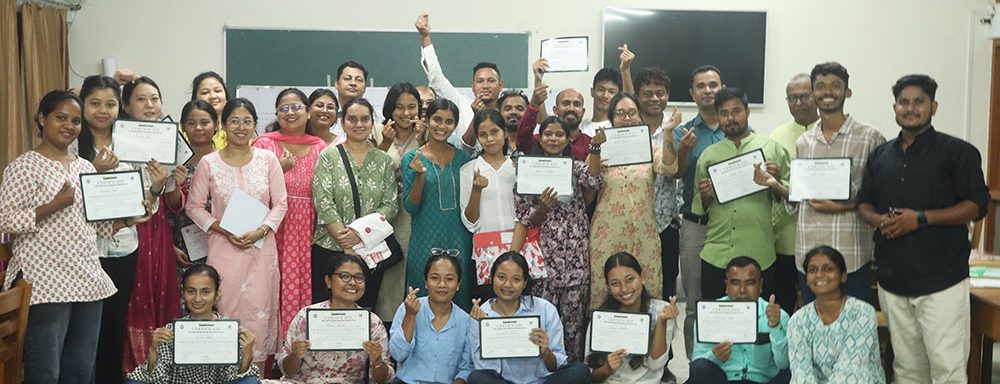
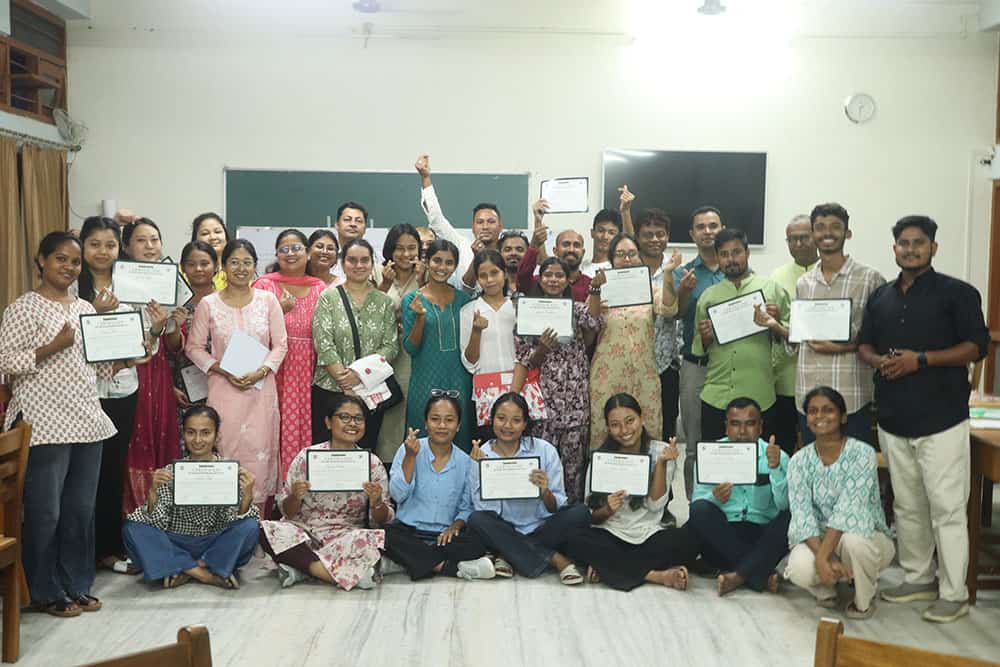
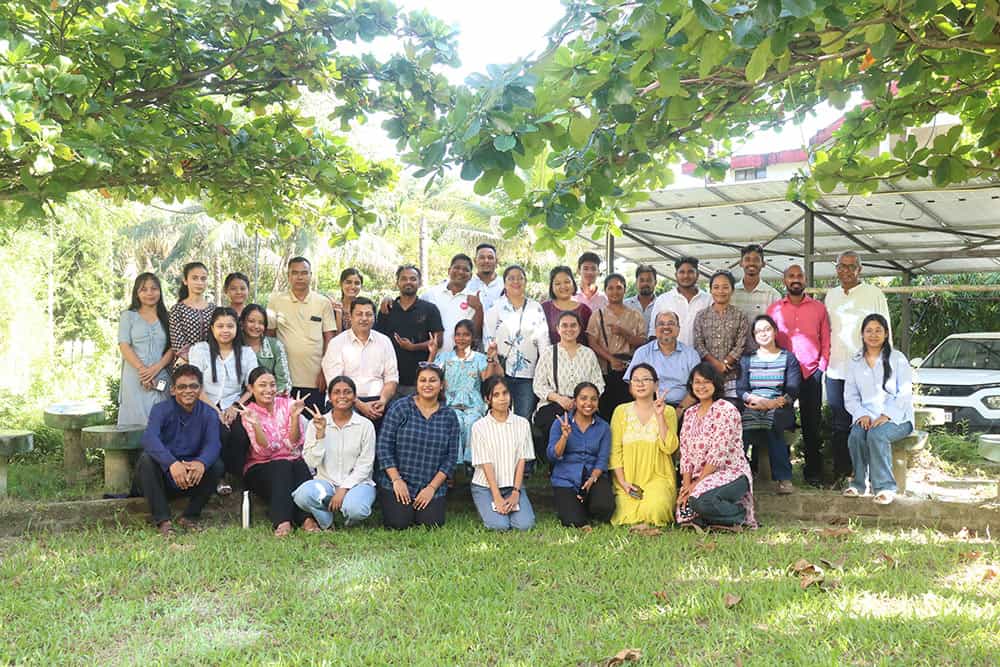
(Bosco Institute, Jorhat) – The institution, Bosco Institute, in collaboration with the Inter Agency Group (IAG), conducted a five-day Training of Trainers (ToT) from October 9 to 13 to strengthen psychosocial support and mental health services for disaster-affected communities. The programme brought together 36 participants from more than 15 organisations, focusing on people affected by natural disasters, particularly recurring floods in Assam.
The training aimed to address the psychological and emotional consequences of disasters, which often persist long after immediate relief needs such as food, shelter and essential supplies have been met. It equipped fieldworkers, NGO personnel, and academics with practical skills to identify psychological distress, provide initial support, and refer individuals who need specialised care, helping them deliver more targeted support to affected communities.
Expert-Led Training
Dr Subhasis Bhadra, Professor and Head of the Department of Psychosocial Support in Disaster Management, and Dr Ajay Kumar Goyal, Assistant Professor of Clinical Psychology, from the National Institute of Mental Health and Neurosciences (NIMHANS), Bengaluru, facilitated the sessions.
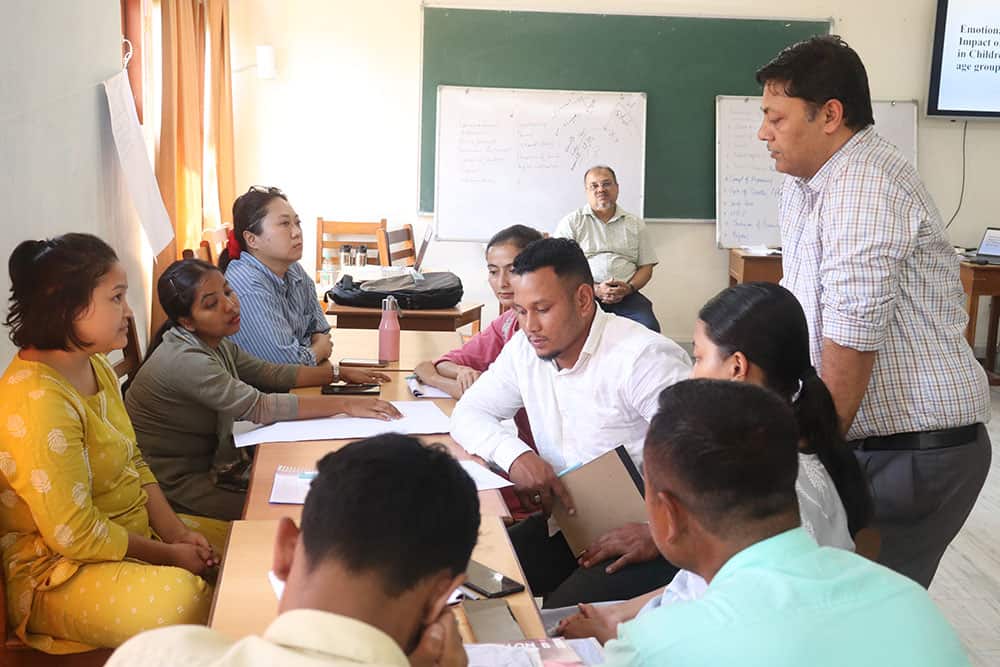
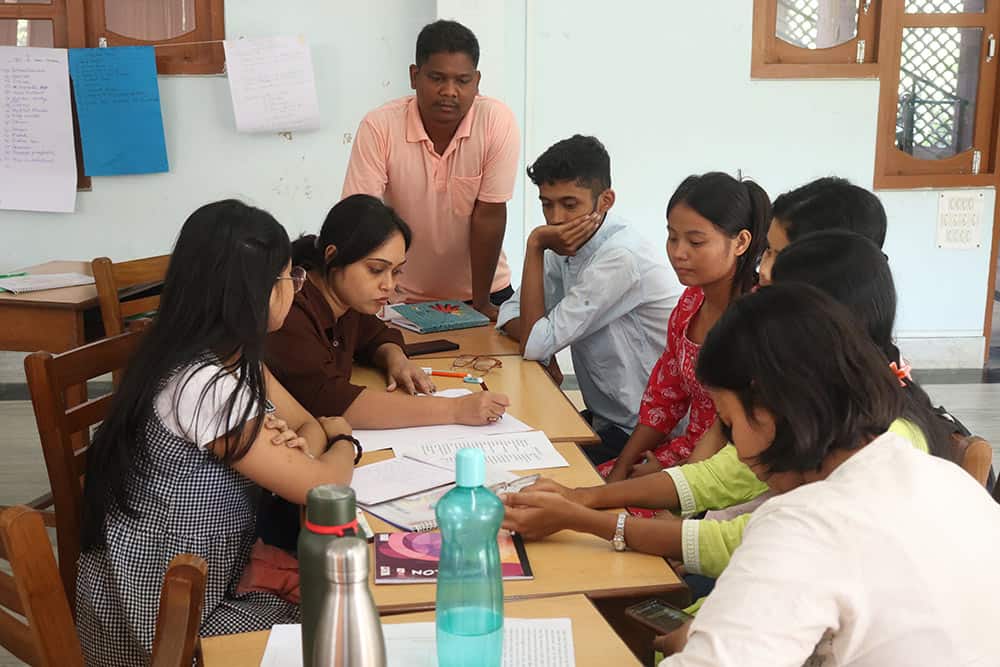
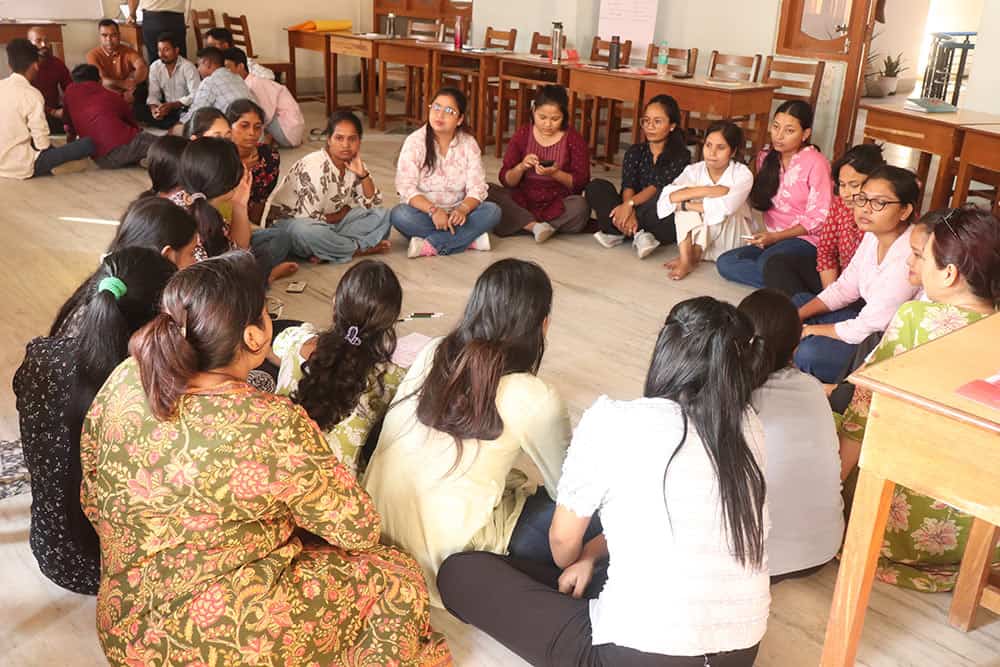
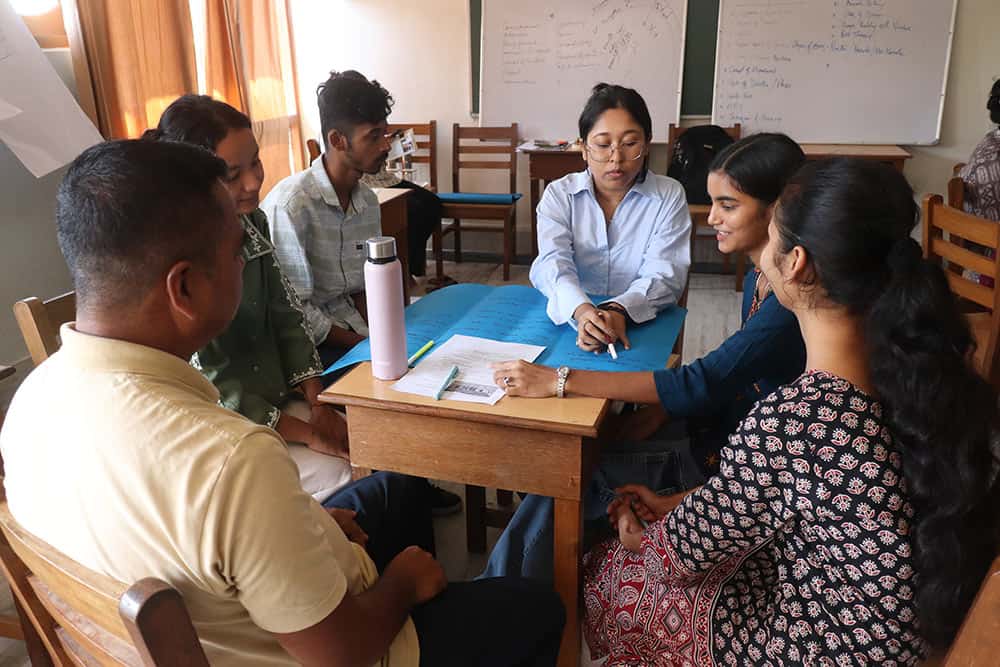
The programme combined expert presentations with practical exercises, including role plays, case studies, group activities, games and reflective sessions. Participants explored Psychosocial First Aid, active listening, empathy, stress management, grief, trauma, coping mechanisms and family support.
Focus on Vulnerable Communities
Special sessions examined psychosocial support approaches tailored to the needs of children, older people, persons with disabilities, women and girls, men and boys, and LGBTQIA+ communities. Discussions on safe school environments, community mobilisation, referral mechanisms, and the well-being of frontline helpers highlighted the importance of an inclusive, coordinated disaster response.
The training also emphasised integrating mental health services into disaster management strategies, ensuring affected individuals receive emotional and psychological care alongside material assistance, and helping responders address both visible and less visible needs.
Participants Take Lessons to the Field
Participants highlighted the training’s practical value in strengthening their community-level interventions and improving the support they can provide. Pratikshya Dutta, an MSW graduate and volunteer with Uriamghat Foundation and Parahanch Foundation, said the activities, role plays and case studies helped her understand the importance of listening, recognising people’s feelings and providing psychological support during disasters.
Purbali Tungkhungia, Director of Haatipoti Playschool and Daycare, said she would apply the techniques learned to help children manage their emotions and create safe, supportive learning environments after disasters.
Jintu Kalita, a volunteer with NEADS, stressed the importance of mental health in disaster management and said he would promote awareness through discussions and programmes in schools and workplaces. Ajay Baishya of Gramya Vikash Mancha (GVM) said the training deepened his understanding of how to support disaster-affected communities through coordination and collaboration among different departments, strengthening future response efforts.
Addressing the Invisible Impact of Disasters
Fr Jerry Thomas, Director of Bosco Institute, launched the initiative after visiting flood-affected areas and witnessing the devastation and survivors’ suffering. The experience drew his attention to the psychological distress that often remains less visible than the physical destruction disasters cause.
Recognising the need to strengthen psychosocial care alongside conventional relief efforts, Bosco Institute organised the training to equip practitioners with the knowledge and skills required to respond to the emotional needs of affected communities.
Source: Don Bosco South Asia