(Instituto Superior Dom Bosco, Maputo) – A delegation from the Dom Bosco Higher Institute (ISDB) participated in an exchange visit and knowledge-transfer programme at the Don Bosco International Media Academy (DBIMA) in Paris, reinforcing international collaboration within the Salesian Institutions of Higher Education network and contributing to the strengthening of STEM education and innovation in Mozambique.
The visit took place within the framework of the Teacher Trainers Capacity Building Programme in STEM (PCFP-STEM), a strategic initiative implemented by the Ministry of Education and Culture and the Ministry of Science, Technology and Higher Education of Mozambique. The programme aims to improve the quality of education by enhancing the scientific, technological, and pedagogical competencies of teacher trainers.
Through this initiative, ISDB continues to promote innovative learning environments, strengthen institutional partnerships, and foster the integration of emerging technologies into teaching and research.
Training and knowledge transfer
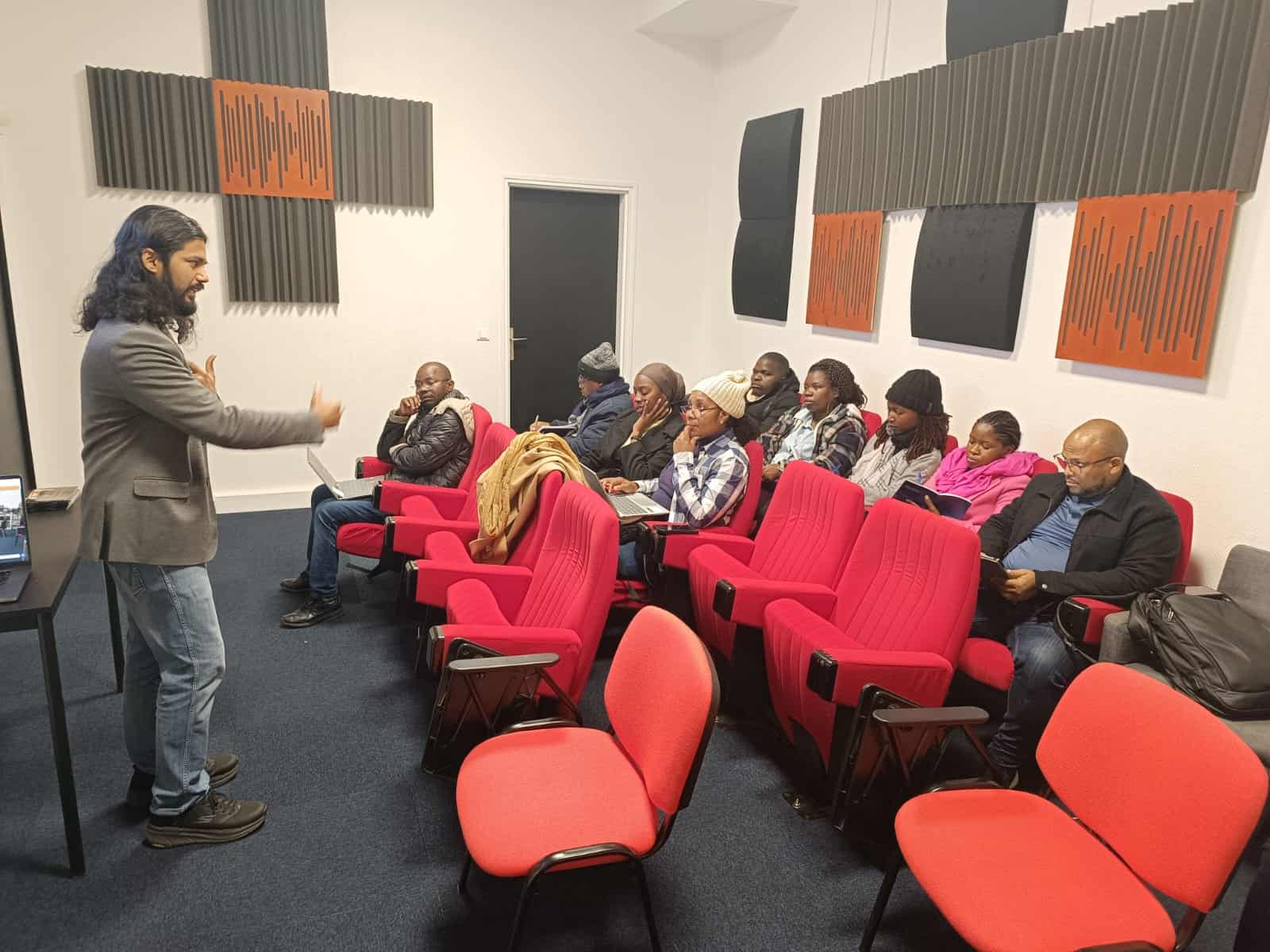
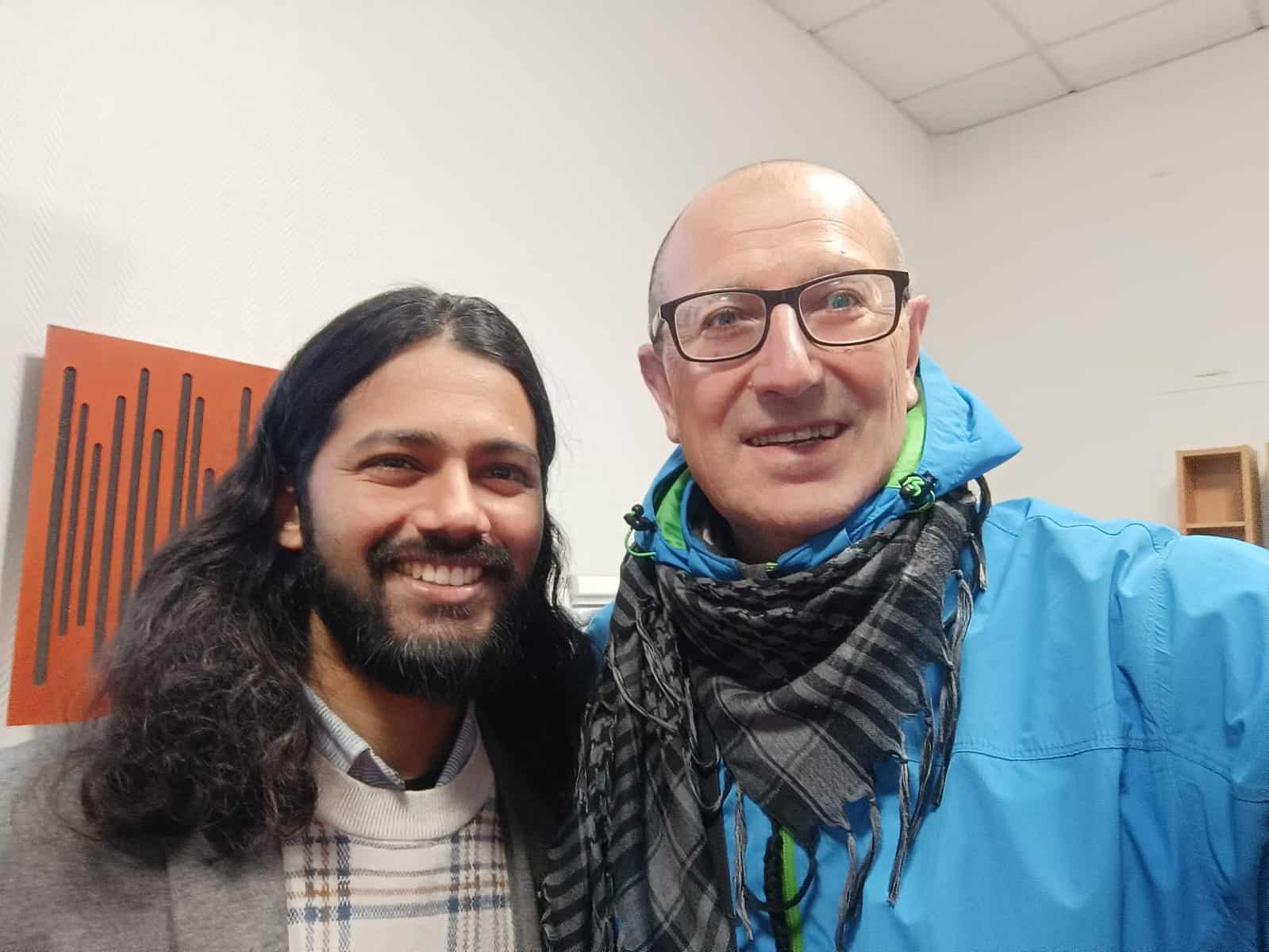
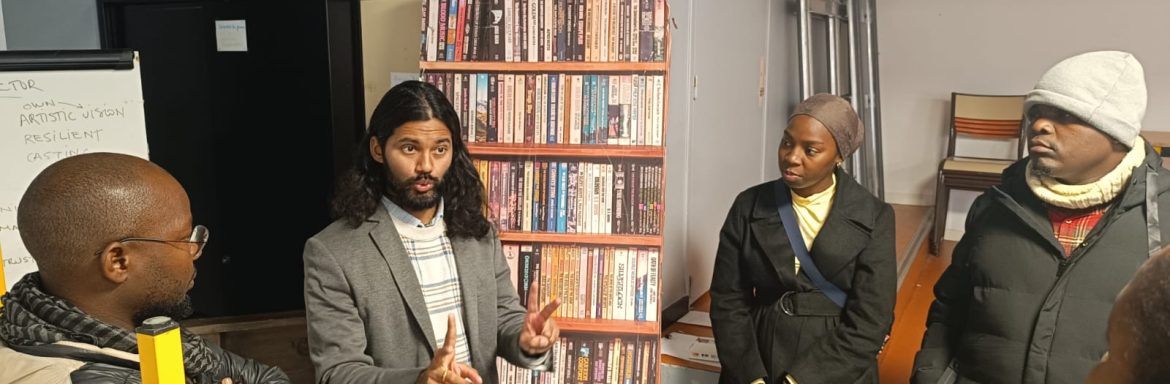
During the visit to DBIMA, ISDB teachers participated in training sessions led by Fr. John Paul, Director of the Institute, focusing on communication, digital media, and artificial intelligence applied to education.
The sessions emphasized the importance of adapting teaching methods to the needs and expectations of new generations of learners. Participants explored the use of multimedia tools, creative communication strategies, and interactive teaching approaches designed to make the learning process more engaging and effective.
A key message highlighted throughout the training was that teachers should guide students in the responsible use of artificial intelligence rather than restrict it. AI should be understood as a tool that supports human creativity and decision-making, rather than replacing the role of educators and learners.
The training also stressed the need to combine traditional pedagogical approaches with new digital technologies, including multimedia presentations, visual storytelling, and interactive learning platforms.
Impact on teaching and learning
For the Industrial Maintenance Department of ISDB, the experience provided valuable insights for reviewing curricula and identifying technological tools that can enhance practical teaching strategies. The integration of innovative approaches is expected to create more dynamic and stimulating learning environments for students.
Participants also highlighted the importance of aligning educational practices with the evolving needs of young people, ensuring that the teaching-learning process remains relevant and responsive to contemporary technological and social developments.
Expanding international partnerships
The visit also contributed to strengthening interinstitutional cooperation as a strategy for internationalization. During meetings with representatives of the Polytechnic University of Milan, new opportunities for academic collaboration were explored, including student and faculty mobility, joint research initiatives, and technical cooperation projects.
This collaboration builds upon an existing partnership focused on upgrading ISDB’s mechanical workshops through the Piani Mattei project, funded by the government of Italy.
Additionally, discussions in Paris reinforced the partnership between ISDB and DBIMA and opened the possibility of future collaboration involving institutions in Mumbai, particularly in the field of media education and communication. This potential tripartite cooperation would promote peer-to-peer exchange among students and further strengthen the international dimension of ISDB’s academic programmes.
Looking ahead
The experience in Paris is expected to inspire the adoption of active learning methodologies, including project-based learning and the development of technological products such as prototypes, technical videos, and digital simulations.
The integration of advanced digital tools—such as artificial intelligence, simulation platforms, modelling software, educational robotics, and augmented reality—will play a key role in strengthening STEM competencies and encouraging students to address real-world challenges.
By fostering international collaboration and embracing emerging technologies, the Dom Bosco Higher Institute continues to advance its mission of forming technically competent and socially responsible professionals, contributing to the development of education and innovation in Mozambique and within the global Salesian higher education community.