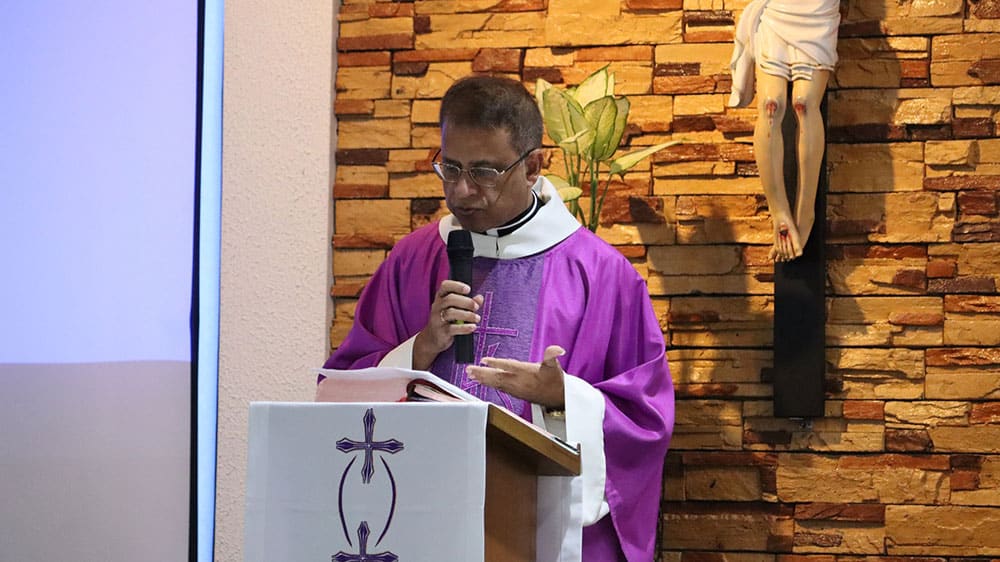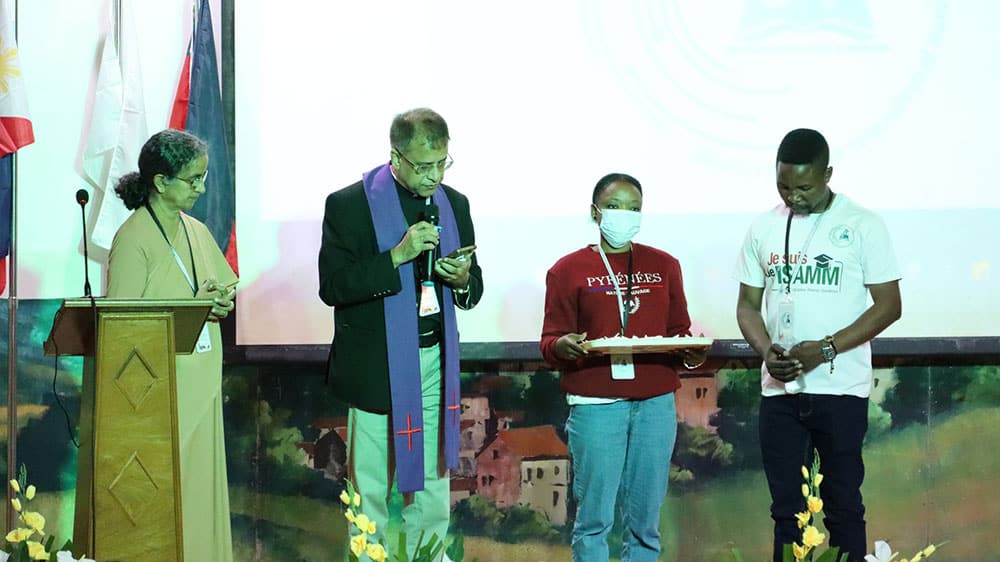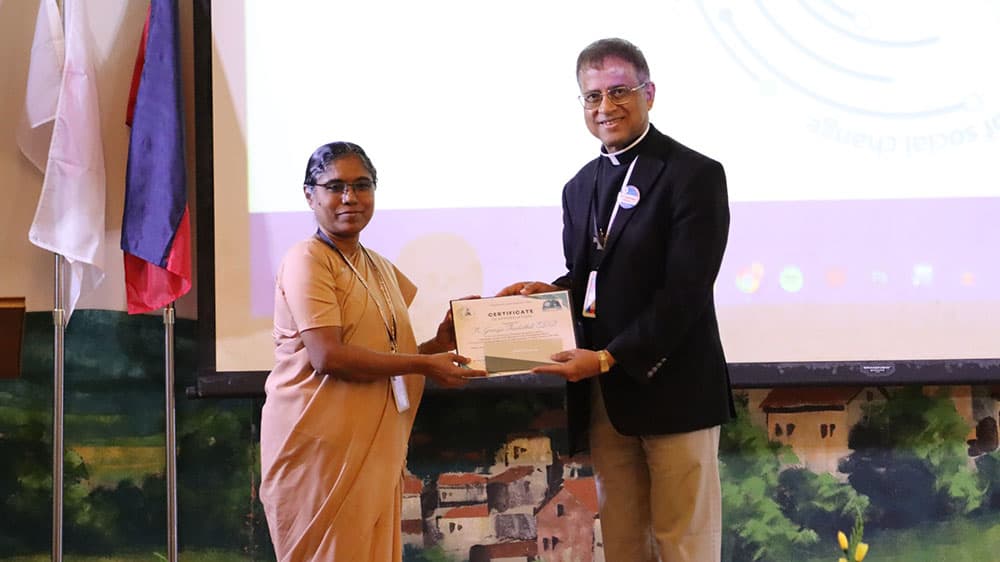
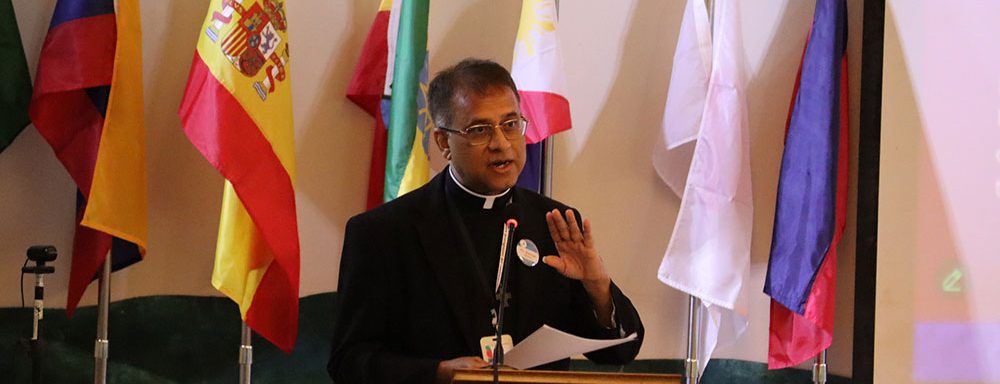
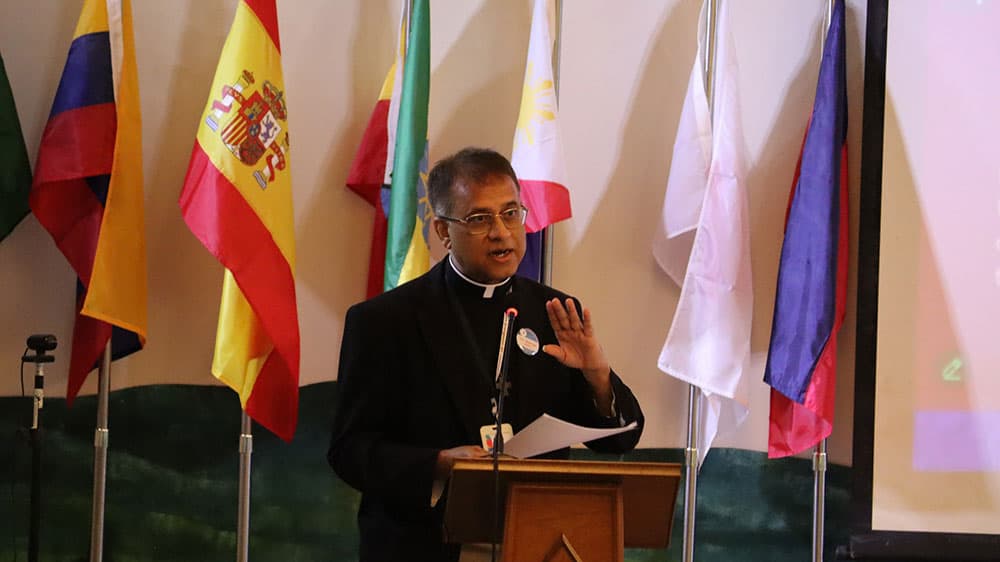
(The Philippines) – During the Institutions of Higher Studies (ISS-FMA), Fourth World Meeting, (9-13 March 2026) held in the Philippines under the theme “Empowerment of Young People to Become Protagonists of Social Change,” Fr. Dr George Thadathil, SDB, delivered a session titled “Challenges Facing Youth Education in the Contemporary World.” The event brings together educators and leaders to strengthen the mission of the FMA Institutions of Higher Studies to empower educators and young people in matters of social responsibility.
Fr. Thadathil, representing the Salesians of Don Bosco and working with the Salesian Institutions of Higher Education (IUS) network in Rome, structured his reflection around three major perspectives: global transformations affecting society, cross-cultural transitions shaping modern education, and the practical challenges educators face when engaging young people today.
Global Transformations and the Educational Context
In the first part of his presentation, Fr. Thadathil explored the rapid socio-economic, cultural, and religious transformations shaping the contemporary world. These global changes, he explained, deeply influence the realities young people face and therefore require educators to rethink the purpose and methods of education.
He emphasised that modern higher education has historically been rooted in Christian traditions that emphasised service to the vulnerable and the transformation of faith into action. This heritage, he noted, remains relevant today as educational institutions seek to address societal needs while fostering socially responsible citizens.
Cross-Cultural Encounters and the Development of Modern Education
The second dimension of the session focused on how modernity has interacted with different cultures across the world. According to Fr. Thadathil, the encounter between modern science, rational thought, and diverse cultural traditions has shaped educational systems in different ways.
These cross-cultural transitions have produced both opportunities and tensions. While modern education has promoted critical thinking and innovation, it has also challenged traditional values and cultural identities. For educators, the task is to help students navigate these complexities while fostering cross-cultural dialogue.
Educating Youth in a Digital and “Glocal” World
In the final part of his session, Fr. Thadathil addressed the specific challenges educators face when accompanying young people in a technology-driven world. He described today’s context as “glocal”—a combination of global influences and local realities.
Digital technologies, social media, and rapidly evolving information environments have transformed how young people learn, communicate, and form their identities. In this context, educators must go beyond transmitting knowledge and instead guide students in developing critical thinking, ethical responsibility, and a sense of social commitment.
Fr. George encouraged educators to see their mission not simply as academic formation but as a holistic accompaniment of young people. By integrating intellectual development, ethical values, and social awareness, educational institutions can help youth become active agents of transformation in their communities.
A Mission for Salesian Higher Education
The session concluded with a call for institutions within the global Salesian educational network to continue strengthening their commitment to youth formation. By responding creatively to contemporary challenges, Salesian higher education can empower young people to become leaders who promote justice, solidarity, and social change in today’s world. In the discussions that ensued, one concern was for a more Participatory Model of Salesian Facilitation (Accompaniment) in Higher Education within the institutions of the Salesian Family.