



(Centro de Estudios Superiores Don Bosco, Madrid) – One of the most important challenges in schools is the inclusion of students with special educational needs, disabilities or in vulnerable situations. Without specific support there is a risk of increasing exclusion rather than reducing it.
Elisa Gutiérrez Hernández, a teacher at CES Don Bosco and an expert in inclusion, discussed this in an article.
As the teacher pointed out, an inclusive school must understand that each student is the sum of their interests, abilities and needs. Therefore, recognising diversity means recognising the very essence of each class and ensuring the full participation of all pupils. It is necessary, Hernández continues, to analyse in order to transform, to adapt so that everyone has a place, regardless of labels.
‘Building an inclusive school is not just a question of methodology,’ explains the teacher, ‘but also of perspective and culture. It involves a commitment to preparing a personalised learning experience, designed from the outset to take into account the unique characteristics of each individual in our classrooms. It means ensuring that everyone can learn and participate, because what really matters is sharing the learning experience and growing together,’
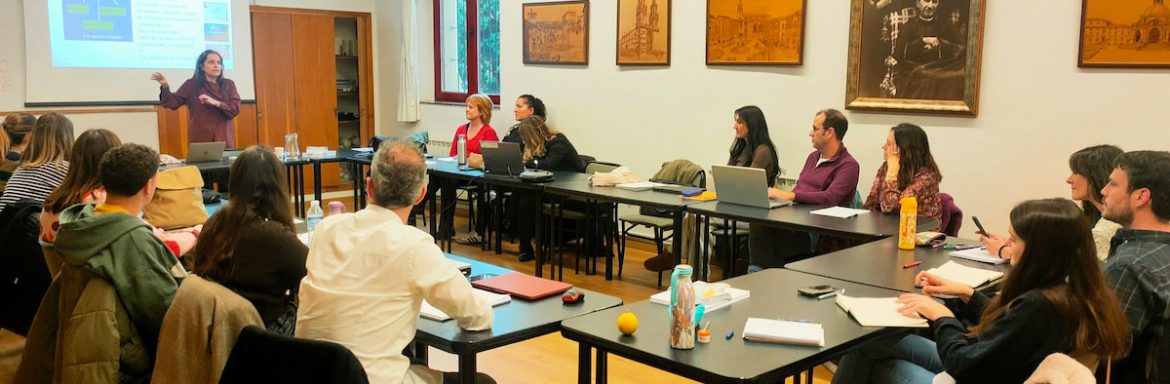
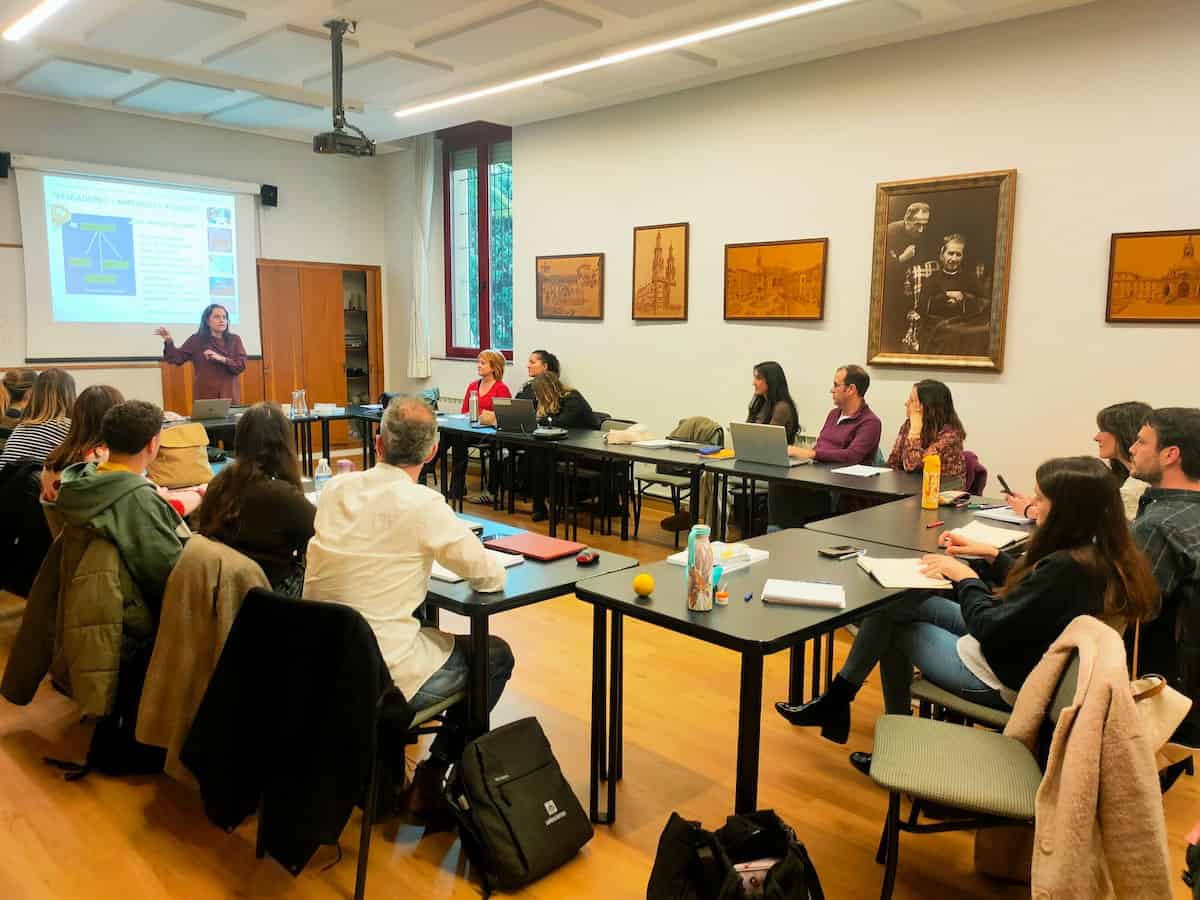
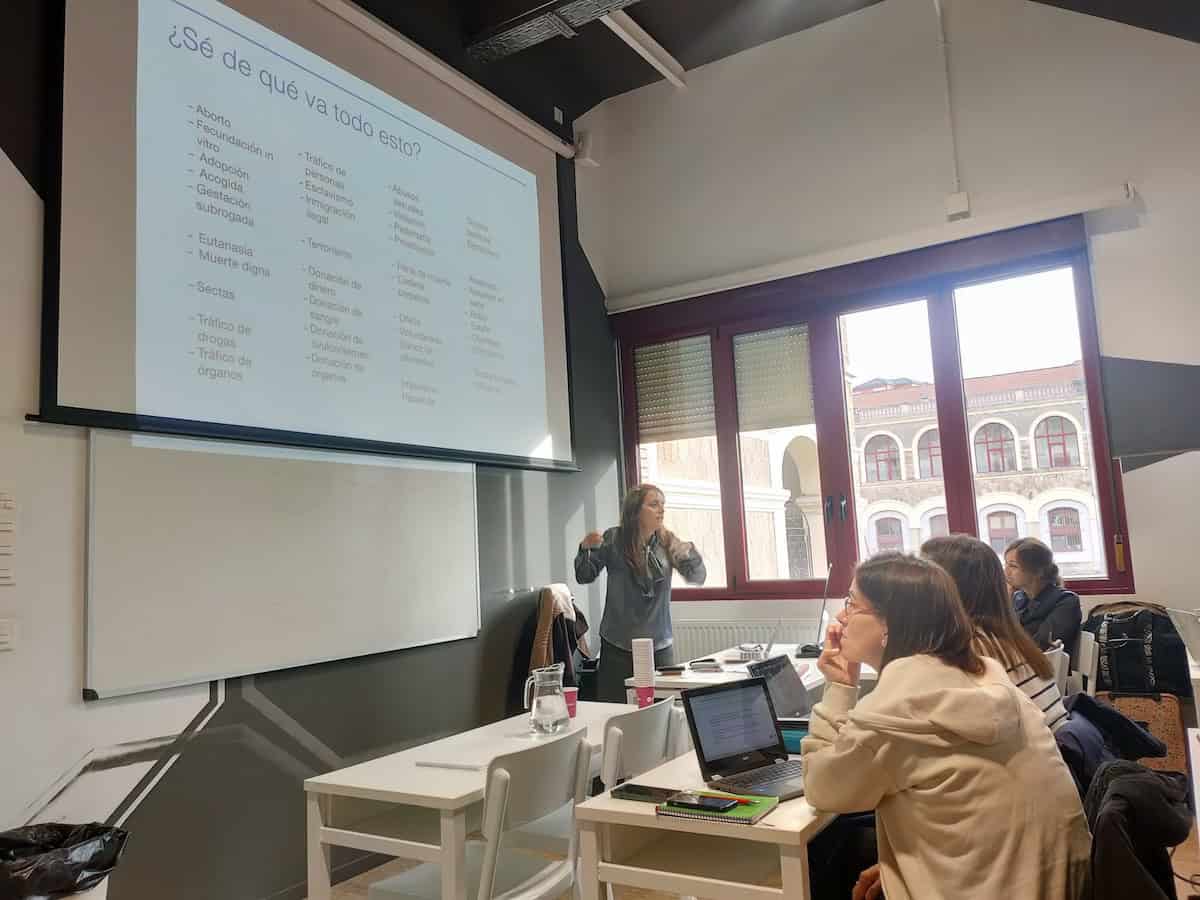
In Bilbao, the Salesian work in Deusto was the venue for a formation meeting focused on autism, aimed at educators from various centres in the northern part of Spain’s St James the Greater Province (SSM). The meeting took place over two complementary days, combining reflection, knowledge and practical tools for educational action.
The first day was devoted to a basic level of understanding of the autism spectrum, with the aim of helping participants to better understand people with autism, their way of perceiving the world, communicating and relating to others. The second session was more specifically oriented towards offering practical strategies and tools for educational support, particularly in academic and school settings, facilitating more accessible, understanding and inclusive environments.
The formation was delivered by Marlene Horna, a specialist in autism and inclusive education. Her direct and clear approach was one of the aspects most appreciated by participants. The highly practical nature of the sessions, together with the clarity of the explanations and the immediate applicability of the proposals, generated a high level of satisfaction among the participating educators.
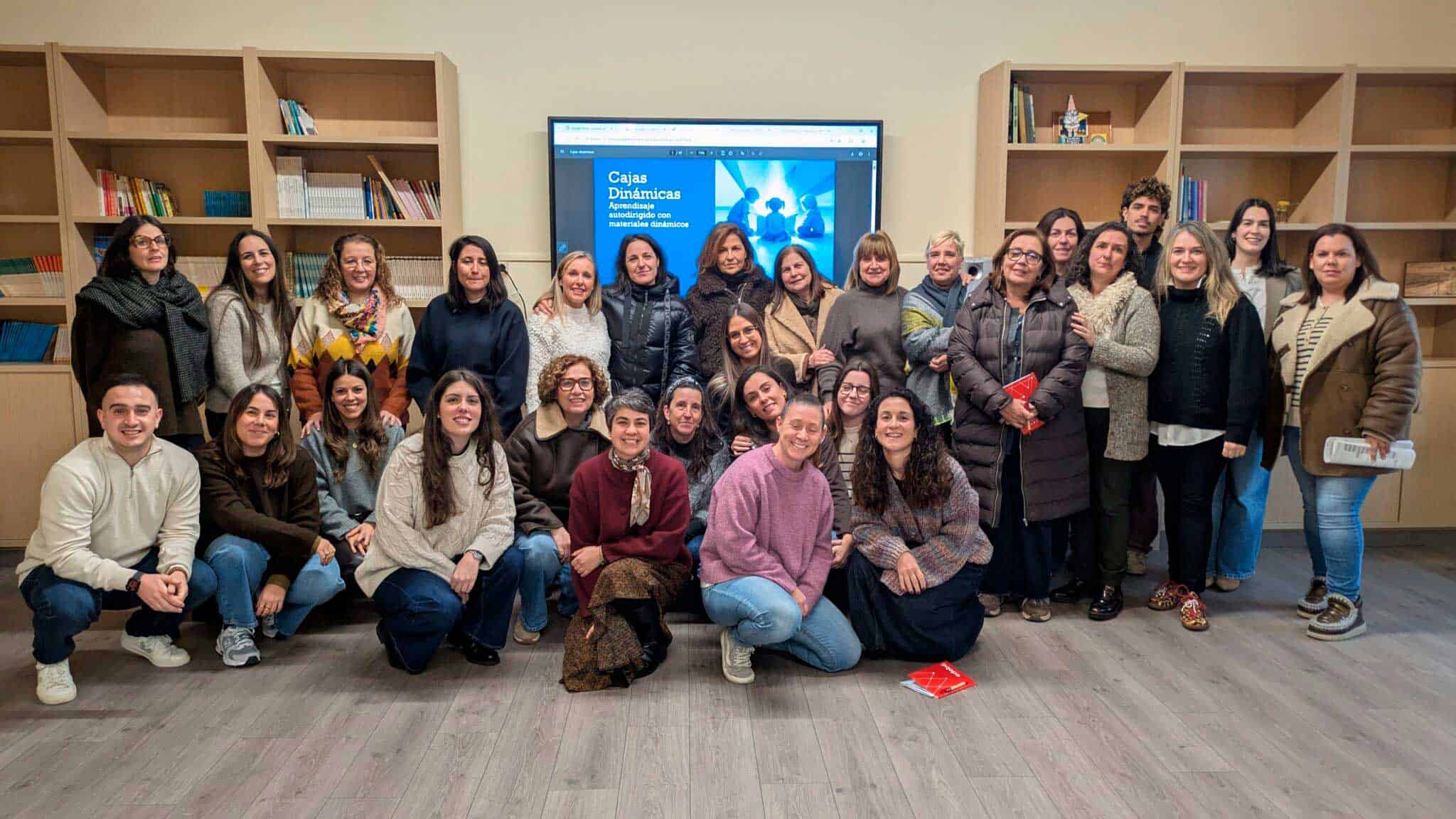
At the same time, on 17 January, the Salesians in Lugo took part in a course focused on the dynamic boxes teaching module held by educationalist and primary school teacher Montse Poyatos Dorado. During the day, participants discovered that dynamic boxes are part of an educational strategy that stands out for its flexible and versatile approach.
Montse also introduced the STEPS methodology, which consists of breaking down complex learning into small steps, which must, however, be perfectly structured so that students can progress at their own pace.
These two approaches, one on autism and one on dynamic boxes, will soon be available in other educational centres of the SSM province. On 5 and 6 February, a specific course on autism will be held in Madrid, while on 7 February, also in the Spanish capital, there will be a course on dynamic boxes. Training for inclusion will also be the common thread running through February’s offerings, which include online courses on Artificial Intelligence and specific personalisation of learning.
As Elisa Gutiérrez Hernández points out in her article, building an inclusive school is a matter of culture. It is like preparing a ‘pedagogical drink’ that is personalised and designed from the outset to take into account the unique characteristics of everyone in any classroom.
Source: salesianos.info